|
IN BRIEF
|
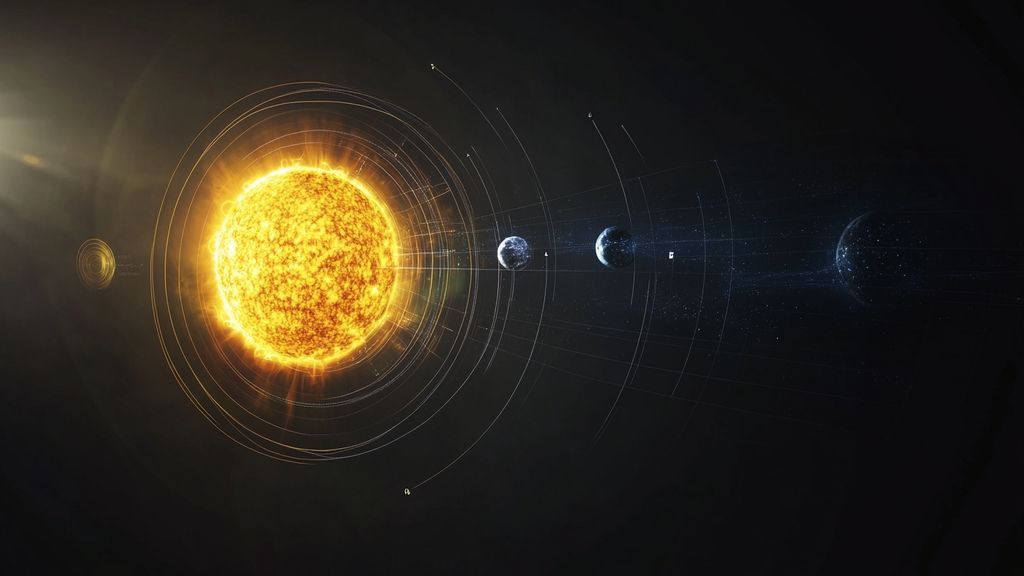
The solar wind is a fascinating phenomenon that deserves all our attention, as it plays a crucial role in our solar system. This continuous flow of particles, mainly consisting of ions and electrons, is ejected from the upper layers of the Sun’s atmosphere, known as the solar corona. These masses of plasma have not only a complex origin, revealed by recent space missions, but they also have a direct impact on our planet. By influencing our magnetic field, the solar wind can create spectacular phenomena such as auroras and solar storms, which raise important questions about the safety of our modern technologies and the interaction of Earth with its star.
The solar winds, mainly consisting of charged particles ejected by the Sun, play a crucial role in our understanding of space and its interactions with Earth. These flows of plasma have well-defined origins in the solar atmosphere and can have significant effects on our planet, notably by modifying our space climate and creating phenomena such as polar auroras.
What is solar wind?
The solar wind consists of a continuous flow of particles, primarily ions and electrons, that are expelled from the outer layers of the Sun. These particles travel at impressive speeds, reaching over 1.6 million kilometers per hour. Their origin is directly linked to the thermonuclear activities occurring at the heart of our star.
Origin of Solar Winds
The Solar Corona and Its Role
The solar wind is primarily generated in a layer of the solar atmosphere called the solar corona. It is here that the temperature reaches millions of degrees Celsius, facilitating the ejection of charged particles. This region of the solar atmosphere plays a central role as it allows these particles to escape the Sun’s gravity and soar into interplanetary space.
Fast and Slow Solar Winds
The solar winds are divided into two categories: fast winds and slow winds. Fast winds, which can exceed speeds of 800 kilometers per second, generally come from the polar regions of the Sun, while slow winds, which travel at about 400 kilometers per second, emanate from the solar corona. Recent research has helped to better understand the processes that trigger these two types of wind.
Impact of Solar Winds on Earth
Interactions with Earth’s Magnetic Field
When the solar wind reaches Earth, it interacts with our magnetic field, which acts as a protective shield. This magnetic field deflects charged particles, but during intense solar storms, some of them can penetrate our atmosphere. These interactions can cause disruptions in communication systems and electrical networks on Earth.
The Polar Auroras
One of the most fascinating phenomena caused by the solar wind is the formation of polar auroras. When particles from the solar wind interact with the gases in Earth’s atmosphere, they excite the latter, producing colored lights visible near the poles. These auroras, often seen as majestic displays, are a stunning demonstration of the power of the solar wind.
Risks to Human Activity
Solar storms can have more serious consequences. They can cause massive power outages, disrupt satellites, and affect radio communications. In extreme cases, they can even put astronauts at risk outside Earth’s protective shield. Monitoring solar activity is therefore essential to anticipate and mitigate these risks.
Solar winds, while fascinating, carry significant implications for life on Earth. Their origin in the solar corona and their effects on our planet illustrate the importance of monitoring and understanding these solar phenomena in order to better protect our environment and the technologies we use daily.
Comparison of the Origin of Solar Winds and Their Impact on Earth
| Origin of Solar Winds | Impact on Earth |
| Solar Corona: It is from this layer of the Sun’s atmosphere that the solar wind emerges. | Magnetic Protection: The Earth’s magnetic field plays a crucial role in protecting us from ionized particles. |
| Ionized Particles: Mainly electrons and protons ejected by the Sun. | Auroras: The interactions between the solar wind and the Earth’s atmosphere create luminous manifestations at the poles. |
| Fast and Slow Solar Winds: Different speeds of particle flows depending on their origin. | Solar Storms: Their intensity can disrupt communication systems and electrical networks on Earth. |
| Nuclear Reactions: At the base of the matter ejections that make up the solar wind. | Space Climate: Affects satellites and space missions requiring adequate protection. |
Solar winds play a crucial role in our solar system, being the result of the ejection of charged particles from the upper atmosphere of the Sun. These dynamic phenomena have a direct impact on the Earth and our daily lives. This article will explore the origin of solar winds and their consequences for our planet, highlighting the fascinating interactions between our star and our environment.
What is Solar Wind?
The solar wind is a continuous flow of particles, mainly ions and electrons, emitted by the Sun. It originates from the solar corona, the outermost layer of the solar atmosphere. This plasma extends through the heliosphere, a vast region of space that encompasses all solar bodies and reaches impressive distances, sometimes over 100 astronomical units.
The Different Types of Solar Winds
Two types of solar winds are distinguished: slow solar winds and fast solar winds. Slow solar winds, although less intense, circulate continuously and extend uniformly. In contrast, fast solar winds are often associated with specific solar events, such as solar storms, resulting from increased activity of sunspots, and cause variations in the intensity of the particle flow. These variations can have notable effects on Earth, notably through impressive polar auroras.
Impact of Solar Wind on Earth
The solar wind influences our planet in several ways. It interacts with the Earth’s magnetic field, which acts as a protective shield against charged particles. This interaction generates luminous phenomena such as polar auroras and southern auroras, visible in polar regions. However, during periods of high solar activity, solar storms can disrupt communication systems and electrical networks, causing outages and malfunctions.
Conclusion on the Impact of Solar Winds
In summary, understanding solar winds and their origin is essential for grasping our spatial environment. The ongoing study of these phenomena allows us not only to appreciate the beauty of auroras but also to better predict and mitigate the impacts of solar storms on modern technologies.
-
Origin of Solar Winds:
The solar winds originate from the solar corona, a layer of the Sun’s atmosphere.
-
Composition:
They are mainly composed of ions and electrons ejected into space.
-
Slow Solar Wind:
Identified as resulting from the dynamics of the solar corona.
-
Fast Solar Wind:
Acceleration of particles due to solar disturbances.
-
Impact on Earth:
The solar wind creates solar storms that can disrupt communications.
-
Magnetic Protection:
The Earth’s magnetic field acts as a shield against ionized particles.
-
Polar Auroras:
The solar winds generate northern and southern auroras by interacting with the atmosphere.
-
Influence on Climate:
Fluctuations in solar winds can affect the Earth’s climate.
-
Risks for Aviation:
Solar storms can affect flight instruments.
-
Scientific Interest:
The study of solar winds is crucial for understanding solar activity and its impact on Earth.
Solar winds, this fascinating and complex phenomenon, are the result of the internal dynamics of our star, the Sun. Composed mainly of charged particles such as ions and electrons, these energy flows play a crucial role in our solar system. Understanding their origin, especially that of the “fast” and “slow” solar winds, as well as their impact on Earth, allows us to comprehend the interactions between our planet and the spatial environment.
Origin of Solar Winds
The solar wind mainly emerges from the solar corona, the outermost part of the Sun’s atmosphere. This extremely hot layer creates conditions where energetic particles are ejected into space. The solar wind is divided into two categories: the “slow” solar wind and the “fast” solar wind. This distinction is based on the speed of the particles and the mechanisms that propel them.
The Slow Solar Wind
The slow solar wind, which represents the majority of the flow emitted by the Sun, is generated by processes within the corona. Recent studies have begun to unravel the mystery of its origin. It seems that magnetic and thermal flows in this region play a key role in launching low-speed particles, which then propagate through the heliosphere.
The Fast Solar Wind
Regarding the fast solar wind, it is emitted during periods of increased solar activity, notably associated with sunspots. These phenomena are linked to areas where the magnetic field is particularly intense. The complexity of this magnetic environment causes the acceleration of particles to speeds that can reach several million kilometers per hour. Recent research has contributed to shedding light on the mechanisms responsible for this speed, revealing the fascinating dynamics underlying this process.
Impact of Solar Wind on Earth
The solar wind constantly interacts with the Earth’s magnetic field, acting as a protective shield for our planet. Thanks to this shield, Earth is largely protected from ionized particles that could harm the terrestrial environment and life. However, when the solar wind is particularly intense, it can cause significant disturbances in our atmosphere.
Polar Auroras
One of the most spectacular effects of solar wind is the creation of polar auroras. When charged particles enter the Earth’s atmosphere near the poles, they collide with air atoms, producing color illuminations in the night sky. These natural displays are not only magnificent but also provide insight into the dynamic processes that govern our atmosphere.
Risks to Modern Technologies
Despite the protections offered by the magnetic field, the solar wind can pose a danger to modern technologies. Particularly strong solar storms can disrupt communication systems, satellites, and even electrical networks. Fluctuations in solar winds can lead to power surges and cause potential damage to infrastructure, making monitoring solar activity a key priority.
In summary, the solar wind is a phenomenon with striking origins and impacts, influencing not only our environment but also our technology and understanding of the universe. Its complex nature deserves sustained attention, for it challenges our place in the cosmos.