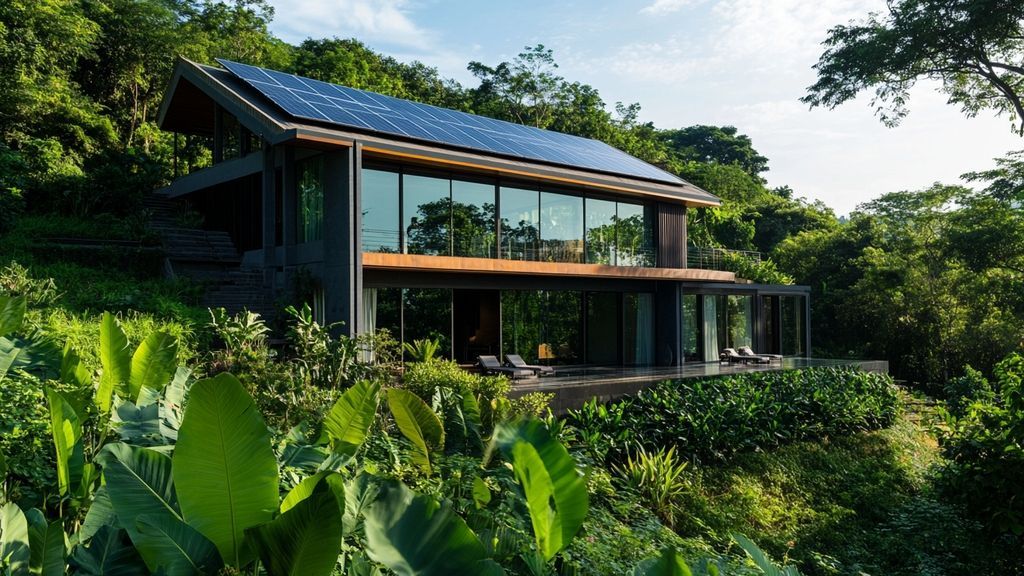
In a world where environmental issues are becoming increasingly important, it is essential for each of us to explore solutions to reduce our carbon footprint. One of the most effective and sustainable approaches is to create a sustainable habitat leveraging solar energy. By integrating solar technologies into our homes, we not only have the opportunity to decrease our energy consumption but also to actively contribute to the protection of our planet.
Through this article, we will examine how solar energy can transform our daily lives and facilitate the adoption of environmentally friendly lifestyles. By addressing the various solutions available, we will highlight the importance of a paradigm shift in the way we build and live. Get ready to discover the multiple benefits of a habitat powered by solar energy and to join the movement towards a greener future.
In the current context of climate change, reducing one’s carbon footprint has become an unavoidable necessity. The carbon footprint represents the amount of carbon dioxide and other greenhouse gases emitted by our daily activities, including energy consumption, transportation, and products.
Consequences of a High Carbon Footprint
A high carbon footprint has direct repercussions on our environment. Firstly, it contributes to global warming, leading to extreme weather events such as storms, droughts, and floods. These events have a devastating impact on ecosystems, biodiversity, and human communities.
Moreover, a high carbon footprint exacerbates air pollution, which is responsible for various respiratory and cardiovascular diseases. The most vulnerable populations, including children and the elderly, are particularly affected by these impacts.
A significant carbon footprint also jeopardizes natural resources. The extraction of fossil fuels, for example, leads to soil degradation and water contamination.
Finally, from an economic standpoint, reliance on non-renewable energy exposes businesses and states to price fluctuations and increasingly strict regulations, which could harm long-term economic growth.
Energy Efficiency
A sustainable habitat allows for a significant reduction in energy consumption. This is often achieved through high-quality insulating materials, efficient heating and cooling systems, as well as the use of solar panels. These elements contribute to creating a comfortable indoor environment while minimizing energy needs.
Sustainability
Sustainable buildings are designed to have a long lifespan and require less maintenance. They use eco-friendly and recycled materials, which reduces the environmental impact. Furthermore, the design of sustainable habitats takes into account waste management and the preservation of natural resources, allowing for an optimal use of resources.
Quality of Life
A sustainable habitat improves the quality of life of its occupants. Thanks to better indoor air quality, reduced noise, and healthier and brighter living spaces, residents enjoy a pleasant living environment. Additionally, integrating nature through green spaces and gardens contributes to both psychological and physical well-being.
Solar energy plays a crucial role in combating climate change and reducing the carbon footprint of homes. By installing solar panels, households can produce their own green electricity, which decreases their dependence on fossil fuel energy sources such as coal and natural gas, often responsible for significant emissions of CO2.
Photovoltaic panels directly convert sunlight into electricity through photovoltaic cells. This means that by utilizing solar energy, households can significantly reduce their consumption of electricity from polluting sources. Each kilowatt-hour of solar energy generated contributes to lowering greenhouse gas emissions, which helps achieve carbon neutrality goals.
Moreover, the integration of solar thermal systems for water heating also helps to reduce energy bills and lessen the environmental impact of housing. In a broader perspective, these technologies are part of the sustainable solutions that promote an environmentally friendly habitat.
By adopting eco-responsible practices and opting for renewable energy, it is possible not only to save on energy bills but also to actively contribute to environmental preservation. The transition towards increased use of solar energy is therefore an essential step in reducing the carbon footprint of modern homes.
Passive House with Photovoltaic Solar Panels
This house, built with eco-friendly materials, maximizes sunlight exposure thanks to photovoltaic solar panels installed on its roof. Its passive design allows for optimal insulation, further reducing its energy consumption. In addition to solar panels, it integrates natural ventilation systems, triple-glazed windows, and recycled construction materials, thereby contributing to a limited carbon footprint.
Eco-Villa with Solar Heating
This eco-villa stands out for its solar heating system that uses thermal collectors to produce hot sanitary water. Its facade is clad in wood sourced from sustainably managed forests, and it features a vegetable garden that promotes local food consumption. By also integrating renewable energies for lighting and appliances, this villa demonstrates that it is possible to live healthily while respecting the environment.
Bioclimatic House with Integrated Solar Energy
This bioclimatic house uses thoughtful architecture to maximize solar gain. Its solar panels are integrated into the roof, giving it a harmonious aesthetic appearance. The design of the rooms allows for natural airflow, thus reducing the need for air conditioning. Every element of its structure, from material choice to implemented technologies, is oriented towards reducing CO2 emissions and optimizing resources.
Eco-Responsible Collective Habitat
This collective housing project includes several solar installations that provide electricity to residents. The common areas are equipped with wastewater treatment systems and shared gardens. This mutual living model not only reduces energy bills but also fosters a true sense of community around eco-responsible values. Homeowners actively participate in managing their energy consumption.
Autonomous Solar Farm
This farm uses solar panels to be energy autonomous. In addition to generating electricity, it harnesses sunlight for heating greenhouses where organic vegetables are grown. The irrigation systems are also powered by renewable sources, minimizing the ecological impact of the operation. This farming model shows how solar energy can play a major role in sustainable agriculture.
Adopting a sustainable habitat has become essential to reducing our carbon footprint and preserving our planet. Solar energy stands out as an effective and renewable solution that can transform our homes into true ecological sanctuaries. By integrating solar panels into our dwellings, we can not only reduce our energy bills but also contribute to the fight against climate change.
The establishment of a solar installation allows us to take advantage of natural resources and reduce our dependence on fossil fuels. Solar heating systems and storage batteries also provide means to consume energy more optimally. Moreover, it is crucial to adopt practices such as insulation and the use of sustainable materials to optimize energy consumption.
By working on renewable energy projects and raising consumer awareness of the need to act for a sustainable future, we are called to make informed choices in our daily lives. Every small action counts, and there are many ways to incorporate decarbonized practices into our daily lives, whether by choosing eco-friendly products or by reducing energy waste.