|
IN BRIEF
|
The use of solar panels represents a significant advancement in the pursuit of sustainable energy solutions. Based on fundamental physical principles, these devices harness sunlight to generate electricity, thereby reducing the carbon footprint of residences. Recent innovations in solar technology pave the way for more efficient and accessible systems, thus allowing the integration of solar energy into our daily lives. By understanding the underlying mechanisms and considering the latest advancements, it is possible to envision a future where solar energy plays a key role in the transition to a sustainable and eco-responsible habitat.
Solar panels represent an innovative technology that transforms sunlight into electricity, thereby allowing us to reduce our carbon footprint and adopt a more sustainable lifestyle. Relying on fundamental physical principles, recent advances in this field have given rise to effective solutions for integrating this renewable energy into our habitats.
Physical principles of solar panels
Solar panels operate primarily through the photovoltaic effect, a phenomenon discovered in the 19th century. This principle relies on the use of semiconductor materials, typically silicon, which allow the conversion of sunlight into electric energy.
The photovoltaic effect
When a photon of solar light strikes a silicon atom in the panel, it can transfer its energy to the electrons of the atom. This energy transfer allows these electrons to free themselves and flow through the material, creating an electric current. This process is essential for the functioning of solar panels and represents the foundation on which photovoltaic technology relies.
Energy conversion and storage
Once solar energy is converted into electricity, it is crucial to utilize it effectively. Energy storage systems, such as batteries, play a key role in retaining the produced electricity for later use. This ensures a regular availability of energy, even when the sun is not shining.
Innovations in solar panels
Over the last few decades, innovations in solar panel technology have significantly improved their efficiency and accessibility. New manufacturing techniques and advanced materials are being developed to meet the growing needs for renewable energy.
High-efficiency solar panels
High-efficiency solar panels, using multi-junction solar cell structures, enable capturing a broader electromagnetic spectrum, thereby maximizing the amount of energy produced. These innovations increase the energy output of solar installations, even in limited spaces.
Solar panels integrated into building materials
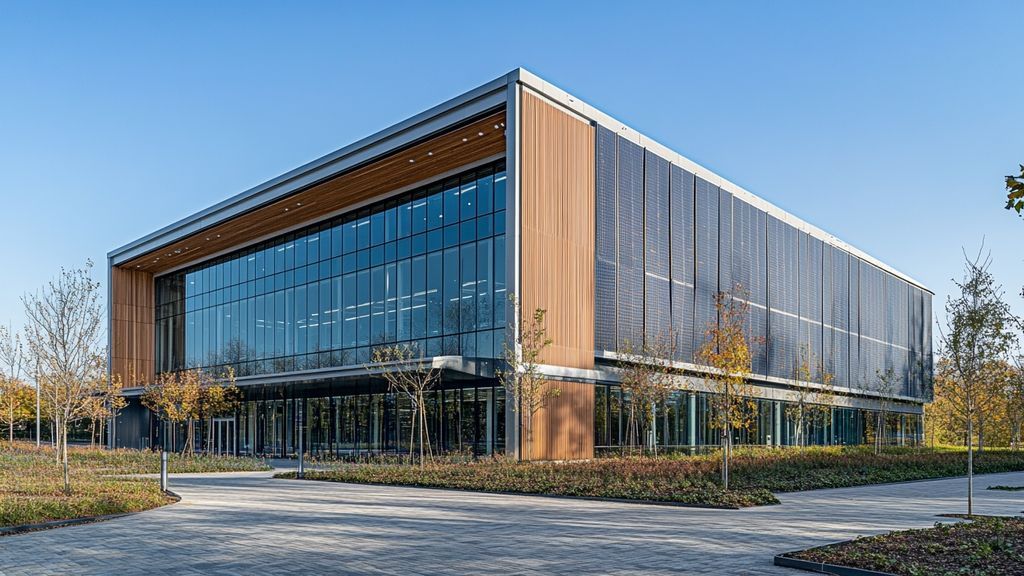
Another important advancement involves the integration of solar panels into building materials, such as photovoltaic windows or solar tiles. These aesthetic and practical solutions facilitate the incorporation of solar energy into modern architecture while maintaining the visual integrity of buildings.
Advantages of solar panels for a sustainable habitat
Opting for solar energy presents numerous advantages, especially within the framework of a sustainable habitat. With increased energy autonomy, households can reduce their reliance on fossil energy sources and lower their carbon footprint. Furthermore, adopting this technology contributes to promoting sustainable development by preserving natural resources.
Accessibility and costs
The decrease in production costs of solar panels is also a determining factor for their widespread adoption. Today, with promised subsidies and tax incentives, many households can consider installing solar systems without straining their budget. This opens the door to accessible energy for all and supports initiatives aimed at enhancing consumers’ energy independence.
A positive environmental impact
The use of solar panels helps reduce greenhouse gas emissions, thus contributing to the fight against climate change. By integrating this renewable energy into our daily lives, we take a significant step toward a greener and more sustainable future.
For more information on reducing your carbon footprint with a solar-powered sustainable habitat, you can read this article: Reduce your carbon footprint. To better understand sustainable habitats with solar energy, visit: Understanding sustainable habitat and discover the latest innovations in solar energy.
Comparison of Solar Panels: Physical Principles and Innovations
| Aspect | Details |
| Operating principle | Conversion of solar energy into electricity via the photovoltaic effect. |
| Traditional technology | Use of crystalline silicon cells, efficient but costly to produce. |
| Advanced technology | Bifacial panels, which capture light from both sides, increasing efficiency. |
| Recent innovations | Integration of solar panels into surfaces such as windows and tiles. |
| Durability | Improvement of materials for a longer lifespan and better recyclability. |
| Cost | Reduction of prices due to large-scale production and optimization of processes. |
| Efficiency | Research on high-efficiency panels, exceeding 25% in some cases. |
| Environmental impact | Reduction of CO2 emissions thanks to clean and renewable energy production. |
| Scientific outreach | Increased public awareness of the benefits and functioning of panels. |
Solar panels have become key elements in the quest for a sustainable and eco-responsible habitat. By harnessing solar radiation, these innovative technologies contribute to reducing our carbon footprint while providing a renewable energy source. This article explores the physical principles underlying the operation of solar panels as well as the latest innovations in this field.
Physical principles of solar panels
Solar panels operate through the photoelectric effect, a phenomenon discovered in the early 20th century. When sunlight hits photovoltaic cells, it releases electrons, thus generating an electric current. This process relies on the structure of semiconductor materials, usually silicon, which allows the conversion of light energy into electrical energy. Understanding these physical principles is essential to improve the efficiency of solar panels.
Innovations in solar energy
Technological advances have allowed the development of more efficient and less expensive solar panels. Among the notable innovations are bifacial solar panels, which capture light from both sides and thus increase energy production. Additionally, solar tracking technologies, which adjust the angle of the panels according to the sun’s position, also optimize production. To learn more about the benefits and specifics of solar innovations, check out this article on the advantages of solar energy.
Integrate solar energy into your habitat
Integrating solar panels into your sustainable habitat is a crucial step toward maximizing energy efficiency. There are several methods to do this, ranging from installing panels on the roof to using solar systems integrated into buildings. For an overview of integration techniques, visit this article on integrating solar energy. The benefits of such an approach go far beyond simple energy bill reductions: they also contribute to protecting our planet.
The advantages of solar panels for a sustainable habitat
Opting for solar panels in a sustainable habitat offers numerous benefits. Not only do they reduce greenhouse gas emissions, but they also increase a household’s energy autonomy. Furthermore, solar systems contribute to enhancing property value by making homes more attractive to environmentally conscious buyers. By promoting the use of clean energy, solar panels impose themselves as a wise and responsible choice for the future of our planet.
- Photoelectric principle: Conversion of light into electricity through semiconductor materials.
- Photovoltaic cells: Technologies based on silicon, thin films, and perovskites.
- Energy yield: Improvement of conversion rates through advanced materials.
- Solar tracking: Systems that adjust the angle of panels to maximize sunlight exposure.
- Architectural integration: Solar panels integrated into building surfaces and innovative designs.
- Energy storage: Innovations in batteries for optimal use of solar energy.
- Circular economy: Recycling and reusing panel materials at the end of their life.
- Sustainable development: Reduced environmental impact through renewable energy production.
Solar panels play a crucial role in the transition to renewable energy sources. This article explores the physical principles behind their operation, as well as the latest innovations that enhance their use. Understanding how these systems capture and convert solar energy is essential for appreciating their potential for sustainability and eco-responsibility.
Operating principle of solar panels
The fundamental principle behind solar panels relies on the photovoltaic effect. This effect occurs when a solar cell, typically composed of semiconductor materials like silicon, absorbs sunlight. When the photons from the light strike the material, they free electrons, thus creating an electric current.
Structure of solar panels
Solar panels consist of several assembled photovoltaic cells. Each cell is enclosed in an aluminum frame for protection. The cells are also covered with a transparent glass, allowing light penetration while protecting from the elements. The efficiency of these panels depends on the quality of materials used and the overall design.
Recent innovations in the solar field
With the increase in demand for sustainable energy, many innovations have emerged in the solar panel sector. Advanced technologies such as bifacial solar panels, which capture light from two sides, have been developed. This allows for a significant increase in energy production.
High-efficiency solar panels
Research has also led to the development of high-efficiency solar panels that can convert a higher percentage of solar light into electricity. These innovations use unconventional materials, such as perovskite, to enhance efficiency without raising costs.
Integrating solar energy into sustainable habitats
To maximize ecological impact, it is essential to integrate solar panels into habitats considered sustainable. Proper building planning, oriented toward the sun, can optimize exposure to solar rays, thus increasing energy production.
The benefits of an eco-responsible habitat
Adopting solar energy offers several advantages that go beyond simple reductions in electricity bills. A habitat equipped with solar panels contributes to the reduction of carbon footprint, providing a more environmentally friendly lifestyle. Moreover, the use of solar energy reduces dependence on fossil fuels, fostering a transition toward sustainable energy systems.
Solar panels represent a powerful solution for a sustainable energy future. By combining an understanding of physical principles with advanced technologies, it is possible to transform the way we produce and consume energy.
FAQ on solar panels: physical principles and innovations
What are the physical principles behind the operation of solar panels? Solar panels operate through the photovoltaic effect, where solar cells convert sunlight into electricity. This is achieved using semiconductor materials, such as silicon, which release electrons when exposed to light.
What are the latest innovations in solar panels? Recent advancements include technologies such as bifacial solar panels, which capture light from both sides, as well as perovskite solar cells, offering better yield and reduced production costs.
How to integrate solar panels into an ecological habitat? To integrate solar panels into an ecological habitat, it is essential to install them on south-facing roofs while considering tilt and positioning to optimize solar energy collection throughout the year.
What are the benefits of solar panels for a sustainable habitat? Solar panels offer numerous advantages, including reduced electricity bills, energy independence, and a low environmental impact. Moreover, they contribute to combating climate change by decreasing greenhouse gas emissions.
How do solar panels contribute to understanding sustainable energy? Solar panels illustrate how renewable energy sources can replace fossil fuels. Their use raises public awareness of the challenges around sustainable energy and the available solutions for a greener future.