Space telescopes: essential tools for understanding the universe

Les télescopes spatiaux : outils essentiels pour comprendre l'univers

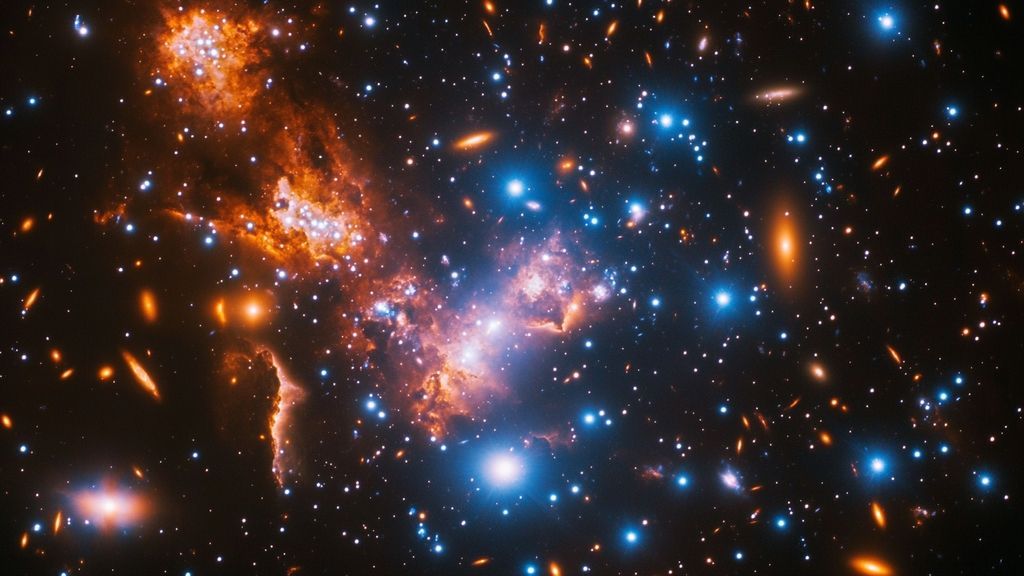
IN BRIEF Space telescopes: key instruments for exploring the universe. Hubble Telescope: a pioneer in observing galaxies and stars. James Webb Telescope: enables the study of exoplanets and their atmosphere. Infrared observation to detect distant and faint objects. Contribution to the understanding of cosmic ecosystems. Positioning at the Lagrange L2 point for optimal observations. Exploration … Read more

translated_content> Applied geophysics to other planets

La géophysique appliquée à d'autres planètes

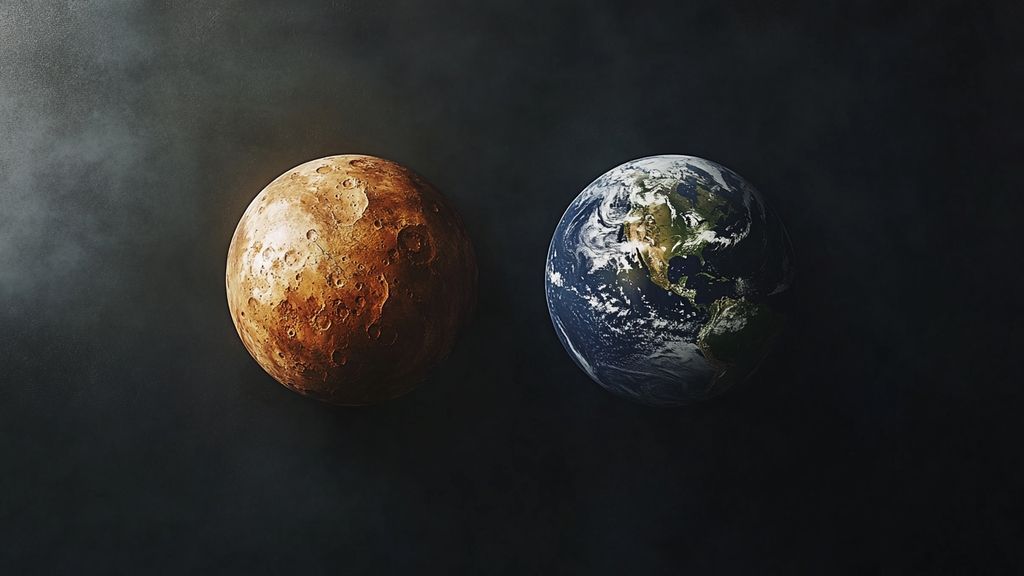
IN BRIEF Planetary geophysics: study of the physical characteristics of other planets. Use of geophysical methods to explore internal and external structure. Application of principles from physics and astronomy. Analysis of natural phenomena on other celestial bodies. Development of tools like Dynamico to model atmospheric circulation. Assessment of climatic conditions on other planets. Importance of … Read more

International collaborations in space exploration

Les collaborations internationales dans l'exploration spatiale

IN BRIEF Space agencies involved: NASA, ESA, Roscosmos, JAXA. Quick cooperation between countries in space missions. Collaboration for projects like the International Space Station. Shared missions to the Moon and Mars. Progress in research thanks to international teams. JWST and other major projects in collaboration. New players in the New Space field. Space exploration is … Read more

Space resources: opportunities and challenges

Les ressources spatiales : opportunités et défis

IN BRIEF Exploitation of space resources: a major economic opportunity. Challenges related to sustainability and regulations. Link between human exploration of space and space medicine. Importance of micro-mini reusable launchers. Extraterrestrial resources: a solution to terrestrial scarcity. ISRU: fuel production from local resources. New Space: empowering the private sector. Space resources represent a fascinating frontier … Read more

Space agencies and their role in research

Les agences spatiales et leur rôle dans la recherche

IN BRIEF Space agencies: State agencies dedicated to the study of Space. Main role: Develop and manage space programs. CNES: National Center for Space Studies, a key player in France. ESA: European Space Agency, providing resources to the European Union. Missions: Earth observation, exploration of the solar system, astrophysics. Research and development: 65% of the … Read more

The Martian Robots: Technologies and Discoveries

Les robots martiens : technologies et découvertes

IN BRIEF Martian robots: exploration of the red planet. Perseverance and Zhurong: missions of 2021. Mars Exploration Rover: NASA mission of 2003. Spirit and Opportunity: rovers of 2004. Sojourner: first robot on Mars, 1997. Resilient Technology in the face of hostile conditions. Education: using robots to spark interest in young people. Geological discoveries and analysis … Read more

The missions of asteroid exploration

Les missions d'exploration des astéroïdes

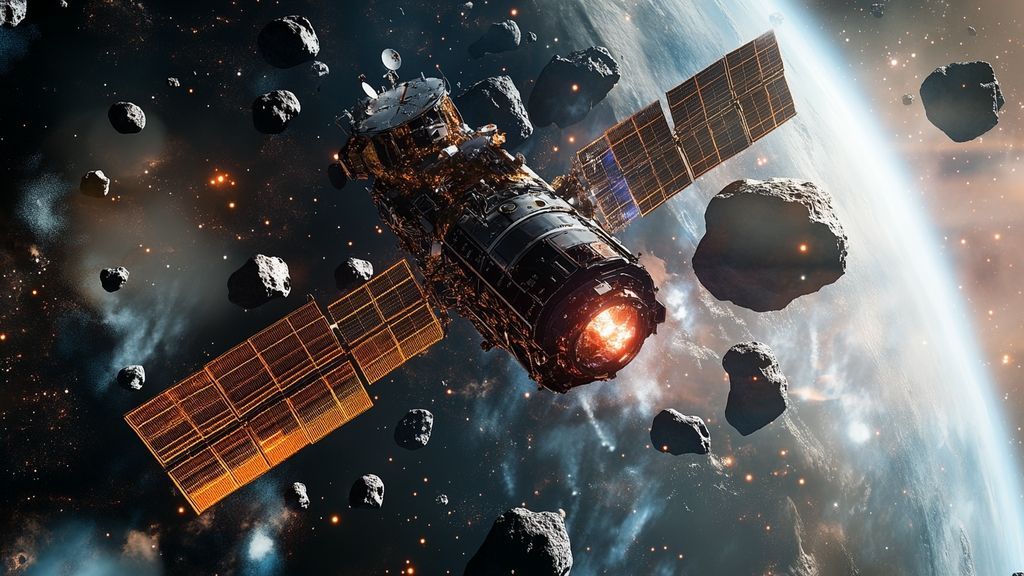
IN BRIEF Space exploration of asteroids to understand their origin. Lucy mission to study the Trojan asteroids of Jupiter. Asteroid deviation testing through the DART and Hera missions. Protecting Earth by monitoring near-Earth asteroids. Sample return through missions like MarcoPolo-R. Potential impacts of asteroids on our planet. Technological advancements in asteroid detection. Asteroid exploration missions … Read more

Advancements in Space Propulsion

Les avancées en propulsion spatiale

IN BRIEF Electric propulsion: use of electricity to ionize a propellant agent. Ion thrusters: one of the most advanced propulsion systems. Innovative technologies: development of more efficient propulsion systems. Antimatter: potentially a solution for interstellar travel. Plasma propulsion: active research on Hall-effect thrusters. Launch systems: space elevators and launch loops to reach orbit. Satellite lifespan: … Read more

The fundamentals of Mars colonization

Les bases de la colonisation de Mars

IN SHORT Colonization of Mars: establishment of an autonomous human community. Martian bases: habitats with controlled atmosphere. Resources: access to water primarily in the form of ice. Challenges: extreme temperatures and high radiation. Ownership: rights to commercial resources, but not to the land. Technology: technical challenges must be solved for successful colonization. International races: countries … Read more

The technical challenges of interstellar travel

Les défis techniques des voyages interstellaires

IN BRIEF Exploration of the universe beyond our solar system. Propulsion technologies such as nuclear fission and solar sails. Major technical challenges of interstellar travel. Possible improvements over conventional rockets. Search for revolutionary methods to travel faster than light. Perspectives from recent Nobel Prizes in Physics on human relocation. Importance of educational projects to encourage … Read more